AI Translator vs Google Translate: Which One Gives More Natural Translations?
Not all translations sound natural. Learn how modern AI translators outperform traditional machine translation, avoid common language mistakes, and translate text accurately across dozens of languages in seconds.
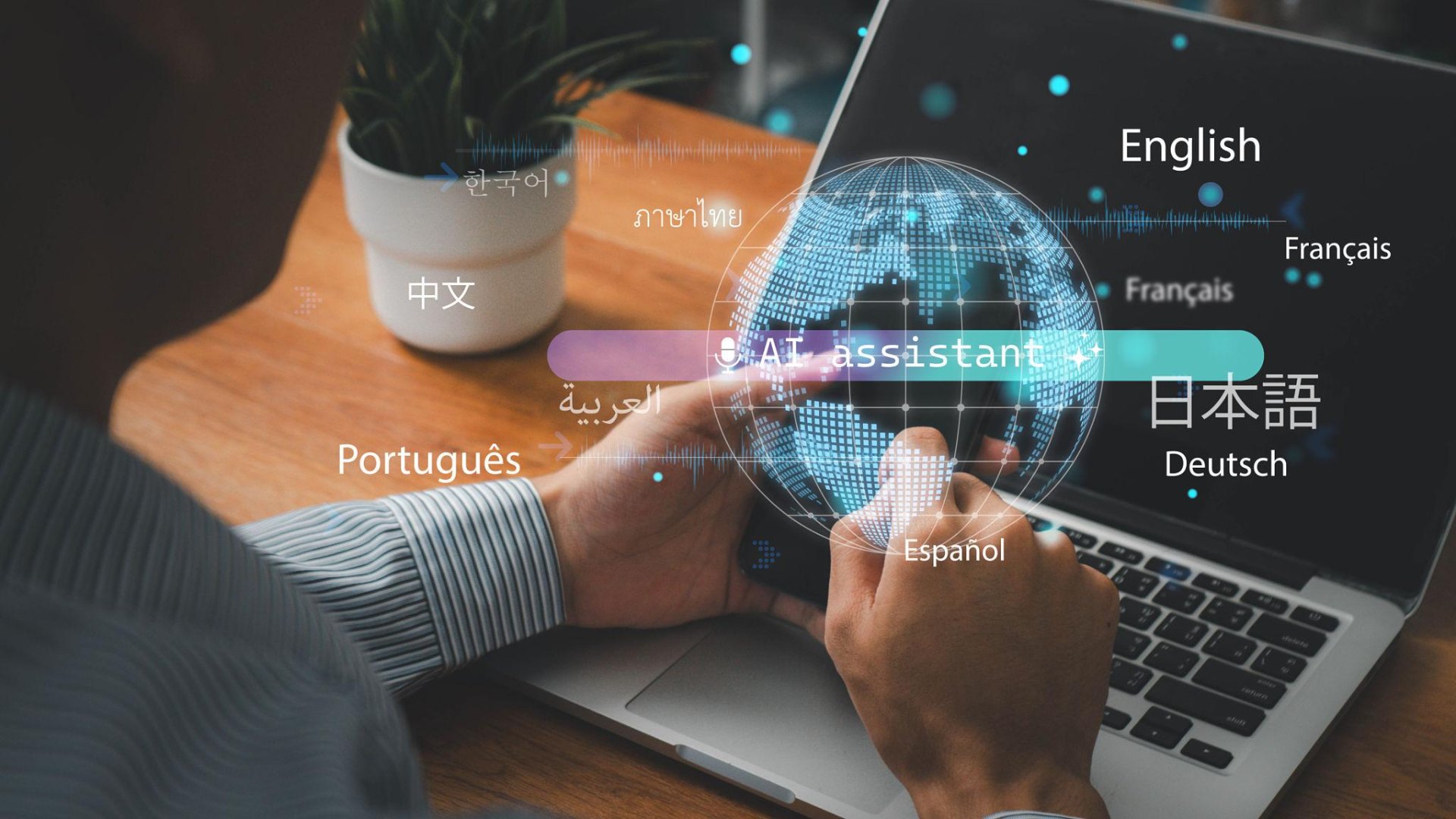
Imagine receiving an important email from an international client.
Or chatting with someone who doesn't speak your language.
Maybe you're translating product descriptions for your online store or reading research written in another language.
In all of these situations, a translation tool can save hours of work but not every translator produces the same quality.
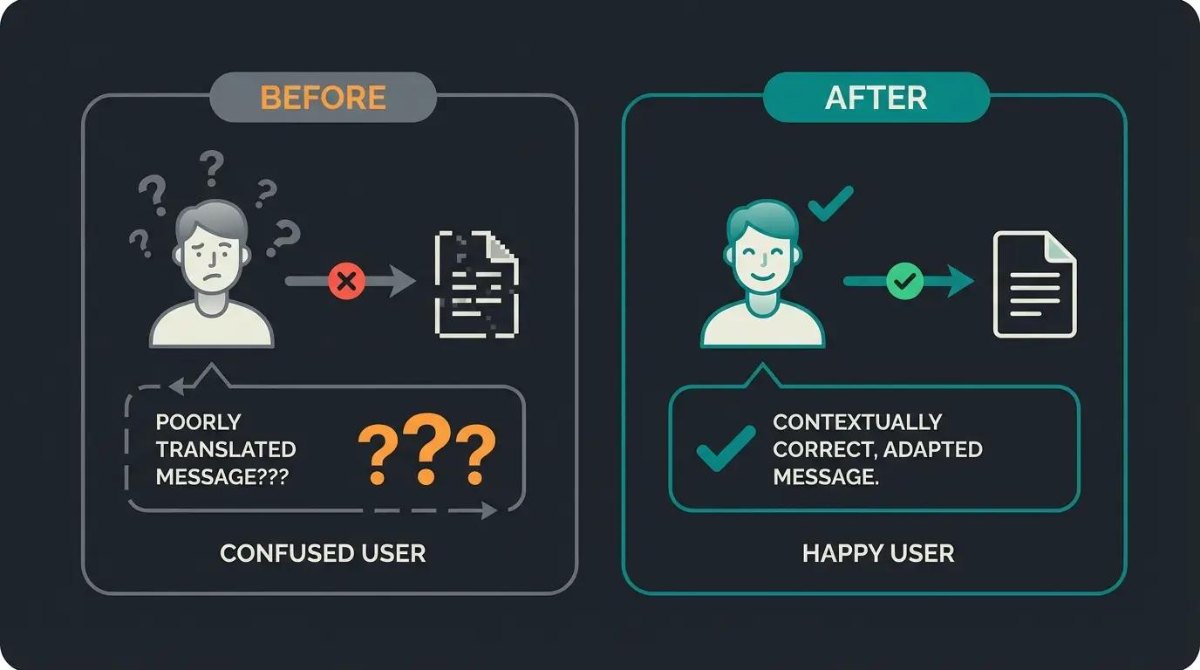
Some translations are technically correct but sound awkward. Others completely miss the context, turning a simple sentence into something confusing or even embarrassing.
Modern AI translators are changing this by focusing not just on translating words, but on preserving meaning, tone, and natural conversation.
In this guide, we'll explore how AI translation works, where traditional translators fall short, and why AI-powered translation is becoming the preferred choice for students, professionals, travelers, and businesses.
Language Is More Than Just Words
Translation isn't simply replacing one word with another.
Every language has:
Different sentence structures
Cultural expressions
Idioms
Formal and informal tones
Regional vocabulary
For example, translating an English phrase word-for-word into Urdu or Japanese often produces unnatural results.
A good translator understands context rather than translating every individual word.
That's where modern AI models make a significant difference.
Why Traditional Translation Sometimes Fails
Many online translators work well for short phrases.
Problems usually appear when translating:
Emails
Business documents
Blog posts
Marketing content
Legal text
Technical documentation
Literal translation often ignores context.
For example, idioms like:
Break the ice
shouldn't be translated word-for-word.
A human instantly understands the meaning.
Older translation systems often don't.
AI models are much better at preserving the original intent.
Real Situations Where AI Translation Helps
Today, millions of people rely on translation every day.
Some common examples include:
Students
Reading research papers written in another language.
Freelancers
Communicating with international clients.
Businesses
Translating websites and product descriptions.
Travelers
Understanding menus, signs, and local conversations.
Developers
Reading documentation from international communities.
Content Creators
Publishing content for audiences around the world.
The need for accurate translation continues to grow as businesses and communities become increasingly global.
What Makes an AI Translator Better?
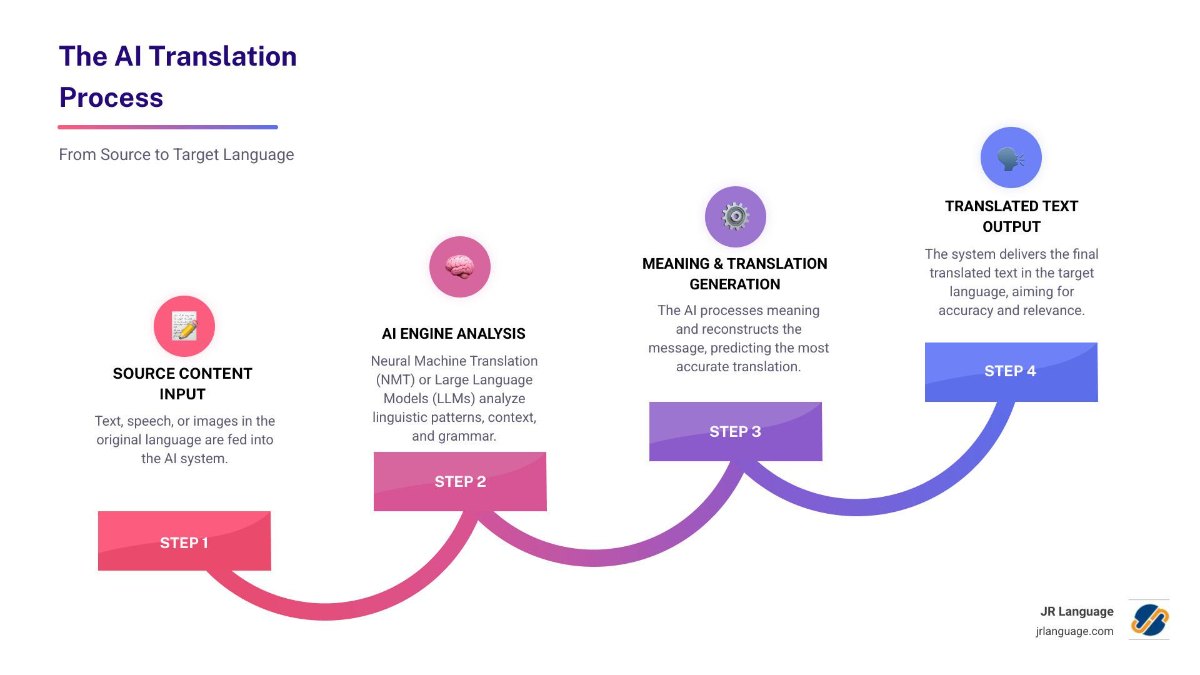
Modern AI translation focuses on meaning instead of individual words.
Instead of translating one sentence at a time, AI understands the surrounding context before producing the final result.
Benefits include:
More natural wording
Better grammar
Improved sentence flow
Context-aware translation
Support for dozens of languages
Faster results
This creates translations that feel much closer to something written by a native speaker.
Translate Naturally with Synctoolo's AI Translator
Instead of translating word by word, Synctoolo's AI Translator focuses on producing natural, readable text that preserves the original meaning.
Whether you're translating between English, Spanish, French, German, Arabic, Hindi, Urdu, Chinese, or many other languages, the tool delivers results instantly—without requiring an account.
You can use it for:
Emails
Social media posts
Articles
Business communication
Study materials
Website content
Everyday conversations
Tips for Better AI Translation Results
Even the best translation tools perform better when the input is clear.
A few simple habits can improve translation quality:
Write complete sentences instead of isolated words.
Avoid unnecessary slang unless it's important.
Use correct punctuation to preserve meaning.
Translate one idea at a time for complex documents.
Review proper names and technical terms before publishing.
These small steps help AI understand the context more accurately.
The Future of Translation Is Context-Aware
Language technology has evolved far beyond simple word replacement.
Today's AI translation systems understand grammar, context, and intent in ways that traditional translators couldn't. As AI continues to improve, communication across languages will become faster, more natural, and more accessible for everyone.
Whether you're working with international clients, learning a new language, traveling abroad, or creating multilingual content, choosing a context-aware AI translator can save time while producing translations that sound far more human.
If you need quick, accurate translations without complicated setup, Synctoolo's AI Translator is a simple way to translate text across multiple languages in just a few seconds.
We build and review free, privacy-first tools at Synctoolo.
Keep reading
Blank pages slow every writer down. Learn how AI helps generate SEO-friendly blog posts faster while keeping your content original, readable, and optimized for search engines.
Reading every word isn't always necessary. Learn how to summarize long content effectively, compare manual vs AI summarization, and preserve the main ideas without losing context.